Exchange with the 4 Icelandic FJCs and Training with the University of Reykjavik
FJCs in Iceland
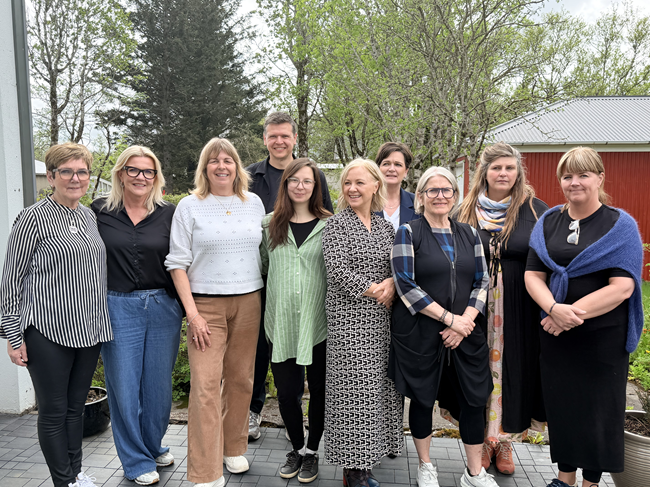
From 1 to 5 June 2026, the European Family Justice Center Alliance (EFJCA) visited the four Icelandic Family Justice Centers as part of ourinternational exchange programme focused on strengthening multidisciplinary cooperation and sharing good practices in responding to domestic and gender-based violence. During the week, the EFJCA met with the teams of Bjarkarhlíð (Reykjavík), Sigurhæðir (Selfoss), Suðurhlíð (Reykjanesbær) and Bjarmahlíð (Akureyri).
Own distinctive strengths
Each centre reflects the Family Justice Center model while developing its own distinctive strengths: Bjarkarhlíð, Iceland's pioneering Family Justice Center, offers a comprehensive multidisciplinary response by bringing together police, healthcare, legal, social and NGO partners under one roof.
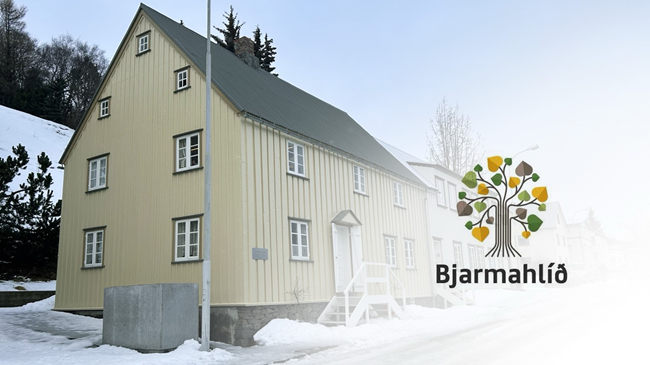
Sigurhæðir, initiated and led by the Soroptimists of Selfoss, has become a leading example of trauma-informed care, placing a strong emphasis on recovery, resilience and the long-term impact of trauma. Suðurhlíð, Iceland's newest Family Justice Center, is recognised for its deeply trauma-informed, highly personalised approach, ensuring survivors are supported in a safe, respectful and empowering environment. Bjarmahlíð, serving North Iceland, has developed particularly strong cooperation with police and justice partners while providing accessible, survivor-centred support close to home.
An opportunity to exchange experiences
The visits provided an opportunity to exchange experiences on multidisciplinary practice, discuss future developments and strengthen cooperation between Icelandic centres and the wider European Family Justice Center network. One aspect that immediately stood out was the warm, welcoming and client-centred design of the centres. Carefully created to promote safety, dignity and trust, they provide an environment in which survivors can feel supported from the very first contact.
University of Reykjavík
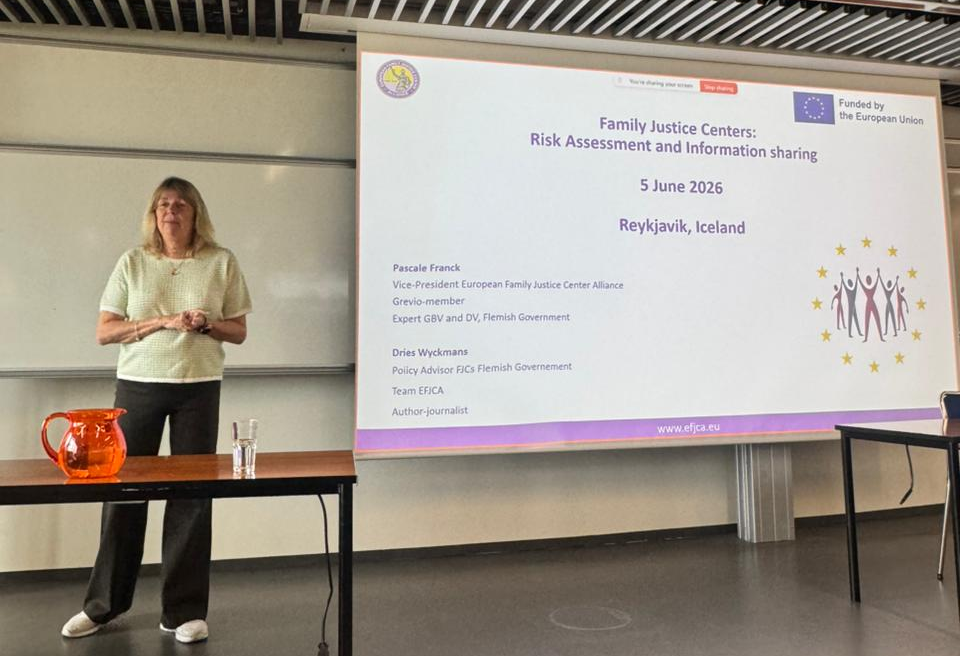
The week concluded with a multidisciplinary training session at the University of Reykjavík, where the EFJCA contributed a session on risk-oriented care, multidisciplinary risk assessment, information sharing, case management and safety planning within the Family Justice Center model, alongside presentations by Icelandic experts on a range of complementary topics.
Remarkable progress
The exchange also highlighted the remarkable progress Iceland has made in recent years. Thanks to the pioneering work of NGOs, police, municipalities and many committed professionals—with the support of the Icelandic government—the Family Justice Center model has steadily expanded across the country. While national evaluations identify opportunities to further strengthen sustainable funding, multidisciplinary cooperation and the legal framework, they also recognise the significant value of the centres and the positive direction of their continued development.