

EFJCA visits La Maison des Femmes in Saint-Denis and La Maison d'Ella in Bordeaux
June 27, 2026
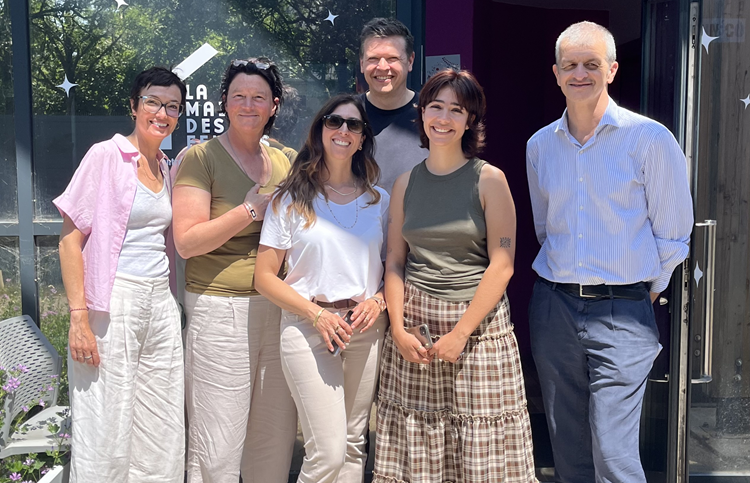
On 18 and 19 June, the European Family Justice Center Alliance (EFJCA) visited two leading French organisations: La Maison des Femmes in Saint-Denis and La Maison d'Ella in Bordeaux. The exchange visit formed part of the ongoing collaboration between the EFJCA and the Re#Start network under a Memorandum of Understanding (MoU), through which both organisations support one another by exchanging expertise, knowledge and good practices to strengthen integrated, multidisciplinary responses to violence against women. Colleagues from SVSeD – Soccorso Violenza Sessuale e Domestica at Clinica Mangiagalli in Milan also participated, further enriching the European exchange of experience.
La Maison des Femmes and the Re#Start network
In Saint-Denis, Rosalie Casellas de l'Ecotais introduced the delegation to the work of La Maison des Femmes and the Re#Start network, which supports the development of more than 30 Maisons des Femmes across France. The visit provided valuable insights into their multidisciplinary model, bringing together medical, psychological, social and legal support for women affected by violence. Discussions also highlighted the important role of private funding and sustainable partnerships in expanding and strengthening integrated services.
La Maison d'Ella in Bordeaux
The following day, the delegation visited La Maison d'Ella in Bordeaux, where the team shared its expertise in providing long-term, trauma-informed support for women experiencing psychotrauma following domestic, sexual and gender-based violence.
Valuable opportunities
Both visits offered valuable opportunities for mutual learning and professional exchange between European partners. They demonstrated how multidisciplinary, survivor-centred models can be successfully implemented in different local contexts while sharing the same vision: providing women affected by violence with coordinated support, safety and a pathway towards recovery.